
Rhetoric Tip #49: Practice Creates Freedom
The best speakers rehearse so they can be present

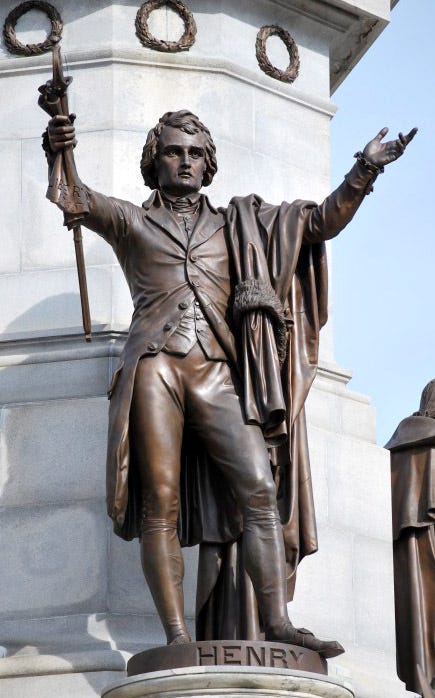
One of the most common myths about public speaking is that great speakers simply “wing it.” We watch an accomplished presenter deliver a talk that appears effortless and conclude that the performance must be the result of natural talent. What we don’t see are the hours of preparation that made that appearance possible: the outlines, revisions, rehearsals, and corrections made in private long before the audience arrived.
Many speakers avoid rehearsal because they fear sounding scripted. They worry that preparation will make them stiff or robotic. In reality, the opposite is usually true. Speakers who have not prepared often become trapped by their own uncertainty. They rely on filler words, lose their place, wander away from their key points, or spend so much mental energy remembering what comes next that they fail to connect with the audience in front of them.
Preparation does not restrict freedom. It creates it. When you know your material thoroughly, you stop worrying about yourself and start focusing on the audience. You can listen more carefully, adapt more naturally, and respond more effectively because your foundation is already secure.
Winston Churchill understood this principle better than most. Today, he is remembered as one of history’s greatest orators, but his speeches were not the product of spontaneous inspiration. Churchill drafted carefully, revised relentlessly, marked pauses and emphasis directly into his manuscripts, and practiced important passages repeatedly. His eloquence was the result of preparation.
This pattern appears with each leader I studied while writing Voices of Reason. Patrick Henry refined his arguments before delivering them. Frederick Douglass spent decades sharpening his message through speeches, debates, and public appearances. Churchill prepared extensively for the moments that would define his leadership. Their effectiveness was not accidental. It was earned through disciplined practice.
Preparation also strengthens ethos. A well-organized presentation communicates professionalism, competence, and respect for the audience’s time. In that sense, rehearsal is not merely a technique. It is an act of consideration for the people you hope to influence.
Rhetoric Tip
Before your next presentation, ask yourself:
“Am I hoping this goes well or have I prepared for it to go well?”
Rehearse your opening. Rehearse your transitions. Rehearse your closing. Then trust the preparation you have earned.
The goal of practice is not perfection; it’s freedom. When you present, you want the freedom to focus on the audience rather than yourself, to adapt when circumstances change, and to deliver your message with confidence and conviction.
Great speakers don’t just rise to the occasion. They fall back on the preparation they have already done.
If you want help preparing presentations that sound natural, confident, and persuasive, let’s talk.
On Mondays and Wednesdays, I have four classes in a row, where I give the same talk (determined by the class, of course!). Some of these talks I have given every year for some years, and I always review the Prezis with my notes in the morning. Yet it's almost always that the second and third (often the fourth as well) get the best versions. When I am disconnected for a moment, I do jokingly apologize and thank the students that the next class will get the better version.
"When you know your material thoroughly, you stop worrying about yourself and start focusing on the audience. You can listen more carefully, adapt more naturally, and respond more effectively because your foundation is already secure." Yes. I'm on fire with connection when the thing is engrained.