
Rhetoric Tip #36: Command the Virtual Room
On Zoom, you are competing with email and other distractions

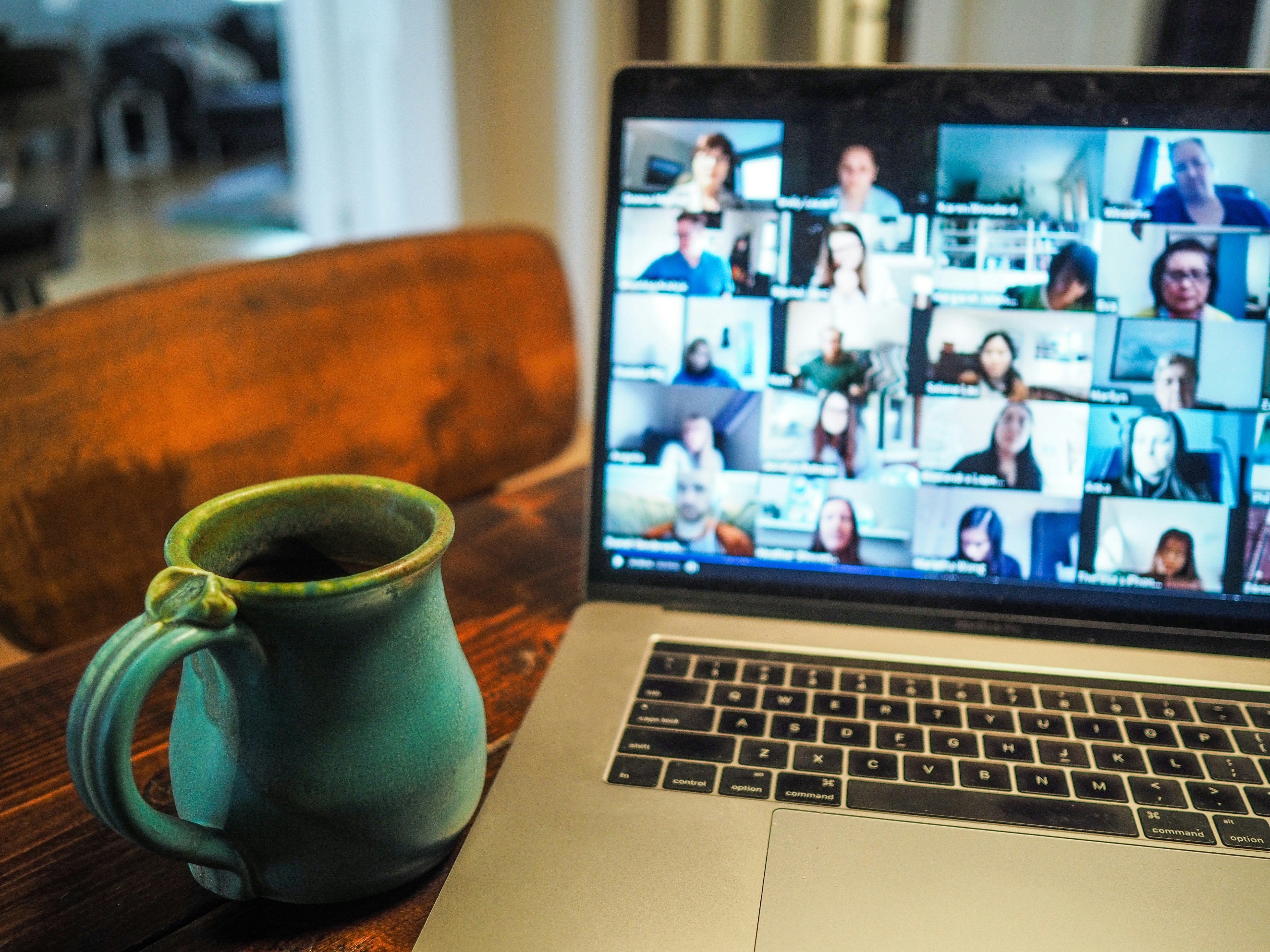
Virtual presentations are not in-person presentations with Wi-Fi. They are a different sport. In a live room, your physical presence does half the work. On Zoom, Teams, or other virtual platforms, your energy gets compressed into a small rectangle next to someone’s Outlook inbox. If you don’t adjust, you don’t just lose authority. You become background noise.
Increase the Energy
On camera, you need about 15–20 percent more energy than feels natural. Not circus energy. Not game show host energy. Just intentional presence.
Speak slightly faster.
Use stronger vocal variation.
Gesture within the frame.
Smile like you actually chose to be there.
The camera absorbs enthusiasm. If you deliver at “normal” energy, it looks like you just woke up from a nap. If it feels a little big to you, it probably feels right to your audience.
Fix the Frame
Framing matters more than most people realize. You want:
Head and upper torso visible
Some room for natural hand movement
Camera at eye level
If your camera is too low, we can see up you nose (with or without a rubber hose). Too high, and we get to see the top of your head. Too far away, and you’re in witness protection. Too close, and we’re counting your pores. You are not a floating head. You are a leader. Frame yourself accordingly.
Lighting and Background
Light your face from the front. If the brightest thing in the room is the window behind you, you will look like a silhouette giving a TED Talk from heaven.
And please check your background. Your bookshelf should not look like it exploded. Your laundry and/or ceiling fan should not audition for screen time. Meanwhile, your dog, while adorable, is not your co-speaker.
The Bigger Principle
In Voices of Reason, I emphasize that delivery carries meaning. Tone, presence, posture, and pacing communicate before your words do. Virtual speaking raises the stakes. You cannot rely on physical proximity. You must project clarity and energy through the lens.
Try this before your next virtual presentation:
Record 60 seconds.
Watch it with the sound off.
Ask yourself: Would I listen to this person?
If the answer is “I’d check email,” increase your energy and adjust the frame. Online, you are not just speaking. You are broadcasting. And no one tunes in for static. If you want your next virtual presentation to feel less like a webcam cameo and more like a command performance, let’s talk.