
Rhetoric Tip #34: The Callback
You said it. They loved it. Say it again.

When done well, the most powerful moment in your message might be the second time you say something. This technique is a callback, which is a return to a phrase, idea, or moment introduced earlier. It’s not repetition. It is reward, resolution, and resonance.
Whether you’re on stage, in a boardroom, or behind a microphone, a well-timed callback brings your message full circle to
Signal structure and mastery
Trigger audience memory
Create emotional payoff
Make the ending feel earned
Callback is how great communicators build a sense of completion. It’s like stepping into a room and realizing you’ve been there before, but now everything’s changed.
The Callback in Pop Culture
Think about one of the most beloved songs of all time: “Stairway to Heaven,” by Led Zeppelin. The vocals begin quietly: “There’s a lady who’s sure all that glitters is gold…” Seven minutes later, after tension and transformation, just when you think the song is fading out, the line returns: “And she’s buying a stairway… to heaven.” That callback transforms a lyric into a legend.
The Power of Shared Experience
A callback does not have to refer to something you said earlier. It can refer to something everyone in the room experienced, including a prior speaker, a glitch, and inside joke, or a shared event. When you reference it, the audience thinks: This was made for us.
Nairobi, Kenya: The Ostrich Moment
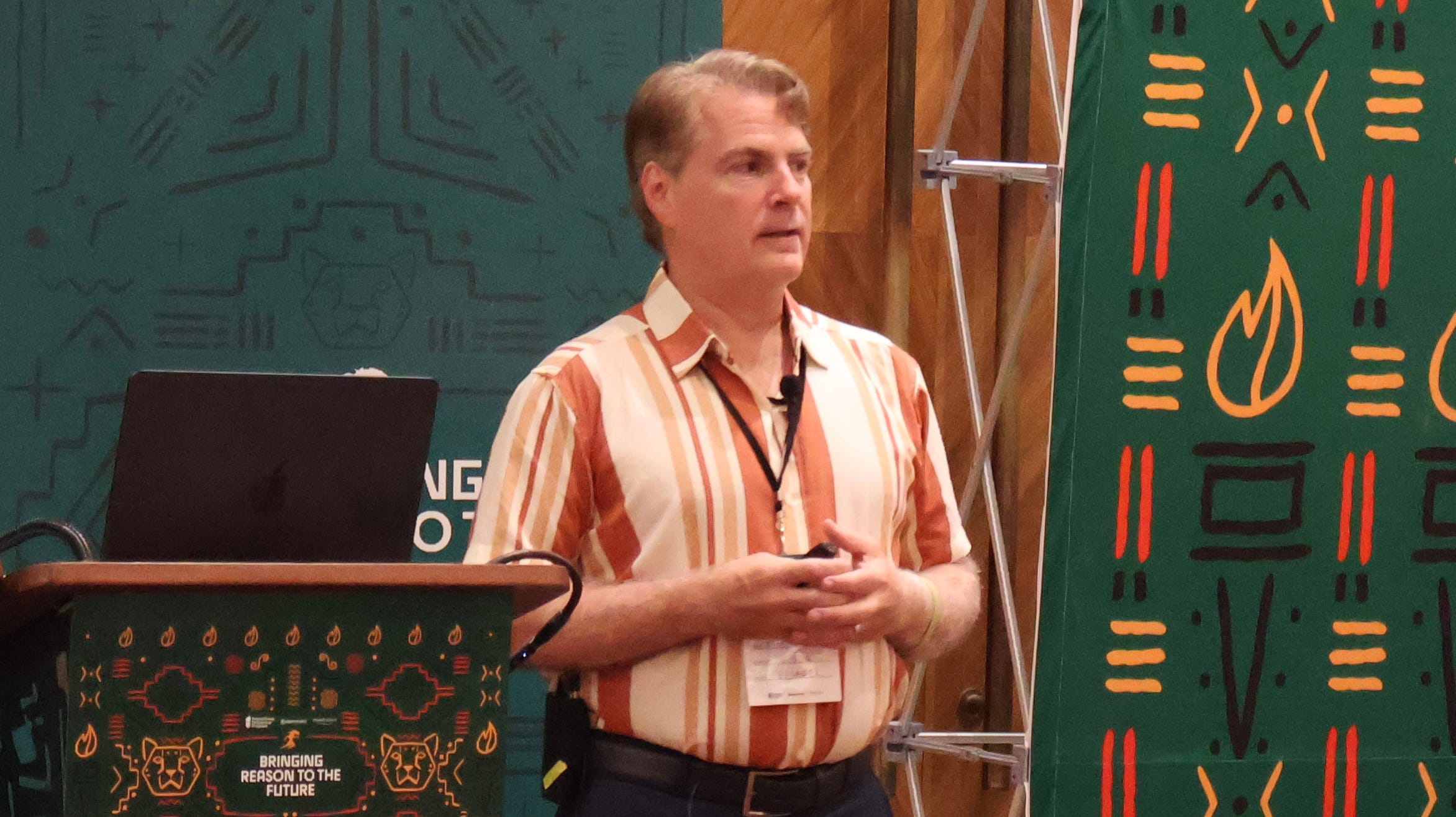
When I was invited to speak in Nairobi, Kenya, our group went on a safari the day before my talk. Among the animals baking in the sun, we watched two ostriches perform an elaborate mating dance. It was dramatic, awkward, and unforgettable. I had planned a different opening to my presentation, but scrapped it. Instead, I began: “Yesterday, we saw lions, alligators, rhinos, and other aggressive animals lounging around. But only two of them stood out by pursuing their values with extreme determination. Who were they?” The audience leaned in and one attendee, Walter, answered aloud, “the ostriches.” The speech immediately felt local, alive, and tailored to that room. That talk later became one of the seeds of my book Voices of Reason.
Before your next presentation, ask:
What image from my opening deserves a reprise to the end?
What shared moment can I reference?
How can I make this message feel exclusive to this audience?
A great callback both wraps up and completes. And that glitters like gold. Want to master the callback and the structure that supports it? Let’s talk.